2008Start
Graphic design
I finished applied arts and started at an agency the same year. There I designed identities, brochures and posters, and got my first lessons in client feedback.
This is where it began. Or so I thought.
Product strategy · UX/UI · Design systems · Design leadership
Rather chat? Message me on WhatsApp
Just looking? Scroll on↓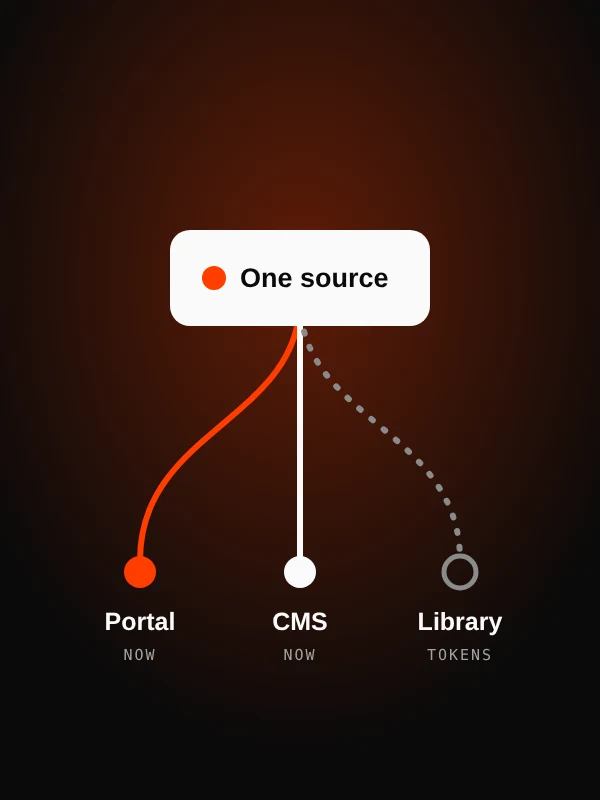
Work
Platforms, apps and brand identities. Each one started with a messy problem.
See projectsServices
I work strategically, so you always know what’s what.
Then I learned a logo is where a promise starts, not where it ends. Keeping it takes products, screens, systems and teams. This is how I got from one to the other.
I finished applied arts and started at an agency the same year. There I designed identities, brochures and posters, and got my first lessons in client feedback.
This is where it began. Or so I thought.
I moved to an IT company to design websites, and kept doing branding along the way. Back then, it was all just called web design.
It was also the first time I heard words like startup, incubator and app.
I founded my first agency, the forerunner of absolute relative. I didn’t want to be hours on an invoice. I wanted to be the one clients call when it matters, and trust to get it done.
I still work with some of those first clients today.
I started working on government and reform projects, back when nobody was saying “digitalisation” yet. Then came clients from Germany, the US and the region.
Things started to get complicated. In the best possible way.
UX and UI became the core of my work: cross-platform systems, mobile apps, and teams I mentored and organised for clients abroad.
Word got around that I’m a strict but fair mentor. I’ll take it.
Then the pandemic hit, and everything had to adapt. I kept designing, kept up with the field, and worked as a designer and creative consultant on many projects through absolute relative.
At the same time, I took on responsibility for projects and the people behind them, from the first idea to the finished product.
I lead a UX and frontend team, think beyond single projects, support delivery, and get ready for a product role.
And through all of it, my first love stays the same: design, design and more design.
From asking how, to asking what and why.
Why did I sign up for this? Ask me again in a year.
Eighteen years in, I’m still learning. When someone on my team grows, so do I. When the team wins, I win too. And every design makes the next decision a little better.









Expertise
I like the projects other people call messy.
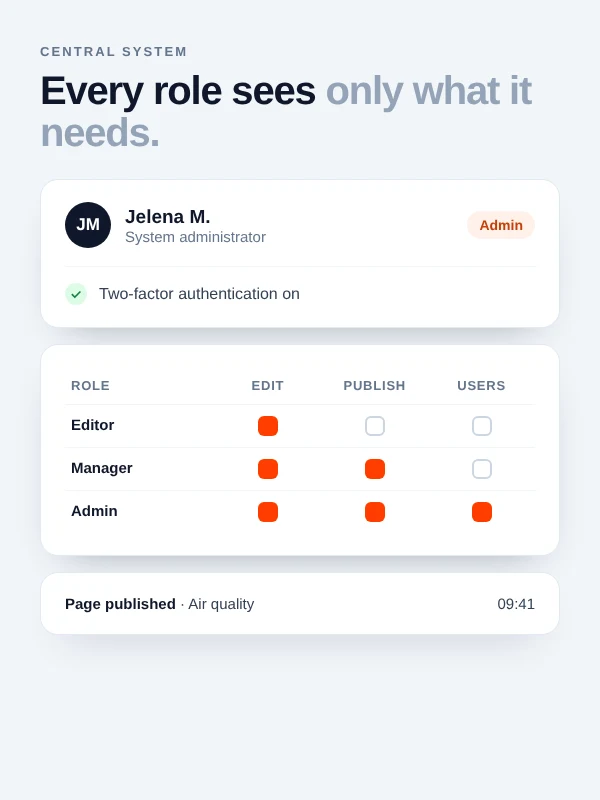
Many stakeholders, strict rules and real users with no time for bad design. That’s where structure matters most, and where I’m most useful.
Services
What’s worth building, for whom, and in what order. Priorities and trade-offs, written down so everyone can follow them.
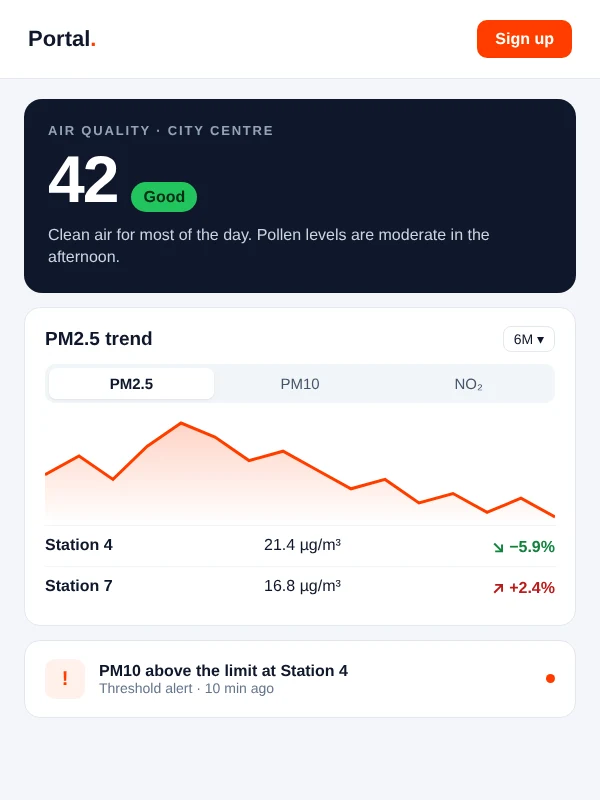
Flows and interfaces for products with a lot going on, tested in real prototypes, not just in Figma.
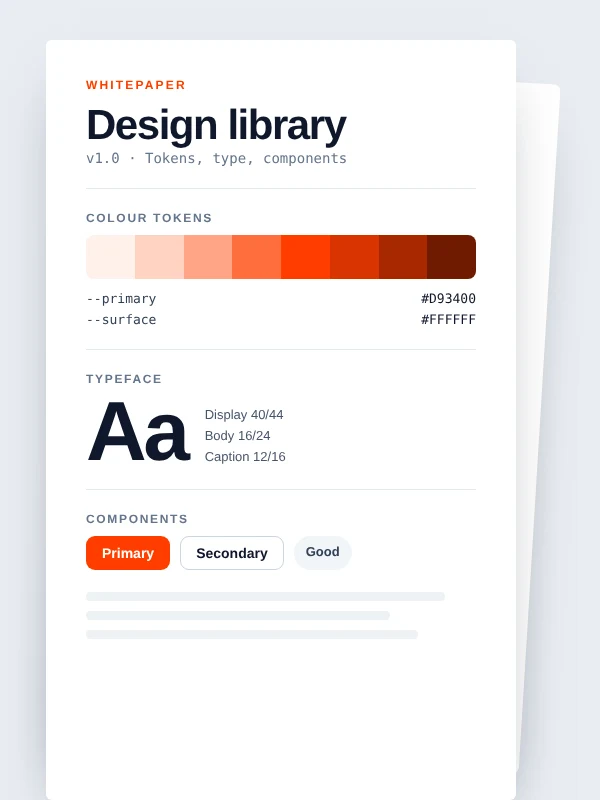
Tokens, components and themes that design and code share. One source of truth.
Leading UX and frontend teams from idea to launch, with clear priorities and honest feedback.
Where I come in
01 / 06
Modernising a product or process that outgrew itself
Selected work
Questions
Still wondering about something?
Let’s talk for 15 minutes. Send me a few lines and a couple of times that work for you, and I’ll usually confirm within one working day.
Book a short call or message me on WhatsAppabsolute relative is the brand under which I work as a designer and consultant in the IT industry. I founded its forerunner in 2011. Today I am also Chief of Product Development at an independent IT company in Belgrade, Serbia, where I lead product strategy, UX/UI, design systems and the teams behind them.
I work across the whole life of a digital product: deciding what is worth building, designing the interface, and setting up the design system that design and code share. I also lead UX and frontend teams, build clickable prototypes and write the documentation larger projects depend on. And I have never stopped being a graphic designer, so brand identities and print are still part of what I do.
Projects with a lot going on: many stakeholders, strict rules, several products that have to work as one, or a team that needs a clear direction. I have done that for public institutions, software companies, event organisers and start-ups alike, and companies or brands ready for a rebrand are a particular favourite of mine. The common thread is always the same: a complex problem that needs a clear system, a sense of direction and a fair amount of creativity.
With a short message about what you are working on, or simply where you feel stuck. It is perfectly fine if you are not sure yet what you need; many good projects start exactly that way. We talk it through, and then, in short iterations, we work out what is worth doing and in what order, so the scope grows out of real ideas rather than guesses.
It depends on what we are building. With today’s tools, a clickable prototype often takes far less time than people expect, while a complex platform naturally takes longer, so I would rather give you an honest estimate once I understand the scope than a number in advance. As for the price, I am flexible: we can work from an effort estimate, by the hour or within a fixed budget, whichever suits the project and the way you work. Either way, we agree on what is included before we start.
Yes. Over the years I have worked with clients across the region, in Germany, Switzerland, the US and the United Arab Emirates, and even on a product for the Japanese market. Location has never been a limitation: most of that work was done remotely, with shared documentation, so everyone knows what has been decided and what comes next. And I always look forward to projects beyond Serbia.
Usually yes, and it is often the wiser choice. I look closely at what is already there, the flows, the components and the places where people get stuck, and just as closely at the context: the kind of product it is, its market and what it is meant to achieve. Whether there is a real system, none at all or something that only looks like one, it can all be worked out. We then change what matters most first, while the team and the users carry on working.
Yes, and it rarely requires stopping anything. I start with what the product already uses, give the recurring decisions names as tokens, and turn the most repeated parts into shared components. They then replace the old ones gradually, alongside ongoing development, until design and code share a single source of truth and every new screen is quicker to build than the last.
Yes. These days, quick iterations in clickable prototypes matter more than ever: an idea tested in a real browser often settles in an afternoon a debate that could run for weeks. Careful work on the actual design is still my first love. I also lead designers and frontend developers and guide analysts and project managers, so handoff and delivery are part of my everyday work, and I would much rather someone asked me a question than built something blindly.
I start from the problem rather than the screen. I came to product design through graphic design and later took on teams and delivery, so I tend to see a brand, an interface, a system and the people building it as one problem rather than four. I also write decisions down as we go, so you always know what has been agreed and why, and the harder the task, the more interesting it usually becomes.